
Mon–Fri: 6 AM–11 PM, Sat–Sun: 7 AM–11 PM(951) 417-1035
L&T French Valley Spray Foam InsulationL&T French Valley Spray Foam Insulation

Basement insulation in French Valley CA - a warmer lower floor without trapped moisture

Cold floors, a musty smell or a chilly room downstairs? We check for moisture first, then insulate so the space stays comfortable.

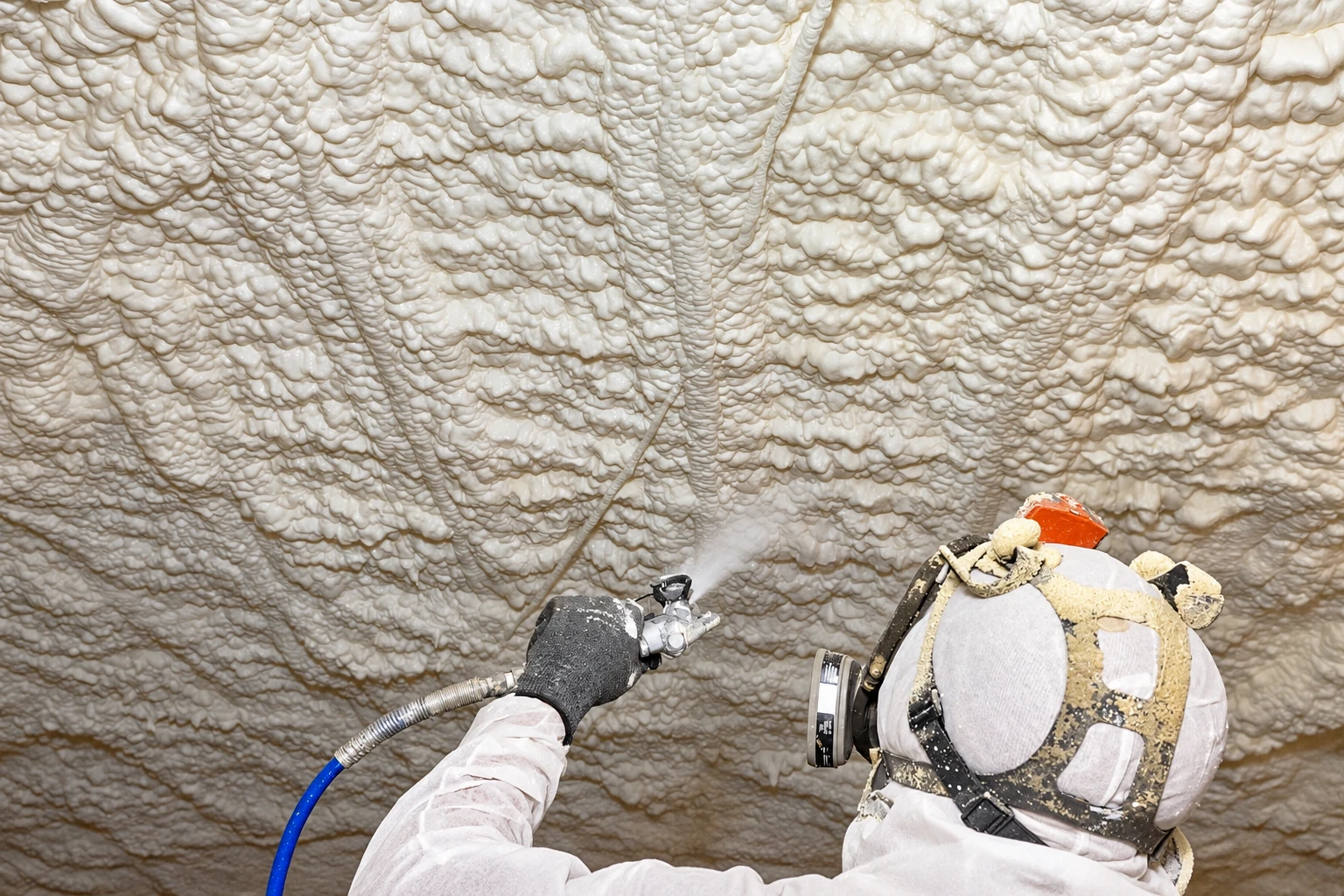
A worker in protective gear sprays foam insulation onto an overhead surface.

How do you insulate a basement without trapping moisture?

Basement insulation in French Valley means adding insulation to your basement walls, and sometimes the slab, so the space downstairs holds its warmth and the floors above it stop feeling cold. Done in the right order, it turns a room you put up with into one you'll actually use.

Most basements we see around here are either a cold room nobody likes going into or a space that was finished years ago without much thought to what's behind the drywall. Before I say a word about foam, I want to know whether those walls stay dry, what fuel-burning equipment lives down there and whether any old insulation has to come out.

The price turns mostly on how much wall there is to cover, which material fits, whether a damp spot needs fixing first and the covering that has to go over the foam. The schedule turns on the same things, plus any appliance check or permit question we need to settle before we start, and your estimate puts what I'd do in writing. Insulation work in California falls under the state's C-2 insulation classification, so you can look up any contractor you're comparing with the state licensing board.

What happens when you call about your basement?

I started out doing insulation and draft fixes for neighbors here in French Valley, and we've been in business since 2020. Here's how it goes from the first call.

I look at the basement before I quote

You call (951) 417-1035 or send the form, and I come out myself to look over the walls, the floor edges and the equipment down there. I check for anything that should be fixed or tested first, explain what I found and put what I'd do in writing.

I lead the crew on your job

When you're ready, our crew does the work with me on site leading them, so the person who quoted the job is the one watching it get done. We clean up afterward, and I walk you through the finished basement before we leave.

Licensed, insured and guaranteed

We're fully licensed and insured, and you're welcome to ask about either one when I'm out for the estimate. Satisfaction guaranteed on every job.

How we handle basement insulation

Moisture comes first in a basement, so I look for dampness on the walls, at the floor edge and around the rim joist, the band of framing that sits on top of the foundation, before we talk about materials at all. Once I know the walls are dry, or what it'll take to get them there, closed-cell foam, a dense spray foam that blocks moisture, or rigid foam board is usually where I start. Foam can't be left bare because it has to be covered with ignition-barrier paint or drywall, so I put that covering in the estimate and it isn't a surprise later.

If you want to read up on the foam itself, our closed-cell foam insulation page covers the dense foam we usually start with on basement walls. Open-cell foam insulation is softer and has to go on thicker before it holds back vapor, so if anyone offers it for your basement, ask how thick.

  • A moisture check of the walls, floor edges and rim joist before anything is quoted
  • Closed-cell spray foam or rigid foam board on the basement walls
  • Air sealing the gaps where pipes and wires come through and where framing meets the foundation
  • Ignition-barrier paint or drywall over the foam, priced in from the start
  • Protecting your floors and equipment, then cleaning up when we're done

How the work goes once we start

On the day of the job, the order matters as much as the material, because each step sets up the next one.

  1. Clear and cover

    We ask you to pull stored boxes back from the walls, then we cover the floor and any equipment we can't move so the spray stays where it belongs. If there's old or wet insulation on the walls, it comes out first, because nothing new should go over it.

  2. Seal the gaps

    We close the openings around pipes, wires and the top of the foundation wall, because air moving through a gap carries moisture straight to the coldest surface. Insulation can't do its job if the draft just goes around it.

  3. Put the foam on

    We spray closed-cell foam to the depth in your estimate or fit rigid board to the walls, whichever we agreed on. I check the corners and edges as we go, since thin spots there are where the cold gets back in.

  4. Cover the foam and air it out

    The paint or drywall goes on over the foam, and we air the space out before anyone settles back in. I'll tell you when it's fine to use the basement again, so nobody heads downstairs too soon.

Get a written plan for your basement

Tell us roughly how big the basement is, whether you've noticed damp spots or a musty smell, and whether the furnace or water heater sits down there. We reply within one business day to set a time, and I come out for a free estimate at your property, look the space over and put what I'd do in writing. There's no pressure to book, and you can call (951) 417-1035 if you'd rather talk it through.

(951) 417-1035

Basement insulation questions we hear

Should I fix moisture in my basement before insulating it?

Yes, deal with moisture first, because insulation on a damp basement wall can hide the problem and, in some cases, trap water and make it worse. Starting with a plan for moisture spares you the trouble that tends to show up down the road. If I find a damp spot at the estimate, I'll tell you what needs fixing before any insulation goes up.

What is the best insulation for a damp basement wall?

Closed-cell spray foam controls moisture better than any other insulation used inside a basement, and it seals air at the same time. Rigid foam board works too, as long as it sticks fully to the wall with no air gaps and tightly sealed seams. Fiberglass or cellulose against a basement wall can soak up a lot of water and stay damp for a long time, a plastic vapor barrier over it makes that worse, and for the same reason vinyl or foil wallpaper and epoxy, oil or alkyd paint should stay off those walls.

How much does basement insulation cost in French Valley?

Insulating a basement usually costs about $4.50 to $6 per square foot across the US. That's a national figure for the market, not our price, and your number depends on the wall area, the material and any moisture fix that has to come first. Your written estimate gives you your own figure before you decide anything.

Does my furnace or water heater need a safety check before I insulate the basement?

It should, because federal basement guidance says to make sure fuel-burning appliances run safely both before and after a basement is sealed and insulated. If your furnace or water heater isn't sealed-combustion, the type that pulls its air from outside through its own inlet, the guidance says to have a qualified contractor assess its combustion safety. I note what's down there at the estimate and tell you if that check should happen before we seal anything.

Permits for basement work in French Valley

French Valley is an unincorporated part of Riverside County, so permits for new construction here go through the county's Transportation and Land Management Agency, not a city office. Whether insulating an existing basement needs a permit depends on the job, so when one is part of the work we handle it with the county, and when it's unclear we ask them before we start.

California's Energy Code also sets efficiency requirements for changes to existing buildings, not just new homes and additions, so insulating a basement in a house that's already standing still has state rules behind it. We work across the cities around French Valley in southwest Riverside County, including Murrieta, Menifee and Temecula, and since some run their own building offices while others fall under the county, I check which one covers your address.

Tell us what's going on downstairs

We answer Monday through Friday from 6 AM to 11 PM and weekends from 7 AM to 11 PM, so call (951) 417-1035 or send the form whenever it suits you.

If you've got a damp corner or a cold floor you're not sure about, send us a note and we'll talk it through.

Tell us about your project
(951) 417-1035Get an estimate