
I look over the house before I quote
I come out myself and check the attic, walls or crawl space for anything that should be fixed or tested before insulation goes in. Then I explain what I found and put what I'd do, and in what order, in writing.
Hot upstairs or a high power bill in a finished house? We seal the gaps first, then add insulation where it counts.
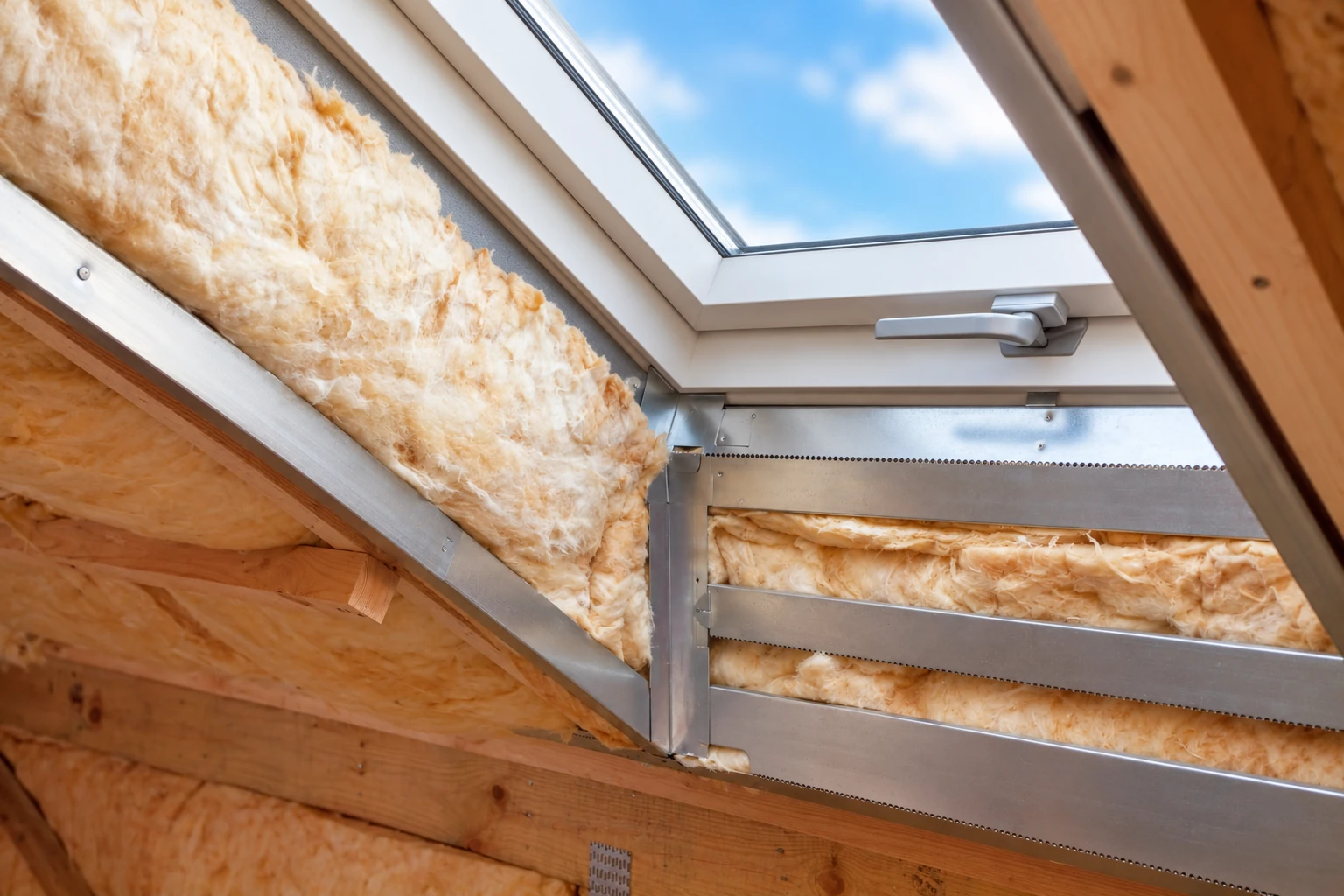
Retrofit insulation is how we add insulation to a French Valley home that's already built, topping up the attic, blowing it into closed walls through small holes and sealing the gaps that leak air, so your rooms stop fighting the thermostat.
Most calls start with a room that's hot upstairs, a room over the garage that never feels right, or a power bill that keeps climbing in a house that's been standing a while. At L&T French Valley Spray Foam Insulation we're based in French Valley and work across the cities around it in southwest Riverside County, and in older houses we usually find thin, settled insulation and gaps nobody ever sealed.
The price turns on how much attic and wall area needs work, what's already up there and what shape it's in, how many gaps need sealing, and whether old material has to be tested or removed first. The schedule turns on the same things, plus any repair that has to happen before we start, like a roof leak. I come out, look over the space, explain what I found and put what I'd do in writing, so you see your own figure before anything's decided.
You'll deal with me from the first look to the final walk-through, so the person who quoted the job is the one in your attic when it gets done.
I come out myself and check the attic, walls or crawl space for anything that should be fixed or tested before insulation goes in. Then I explain what I found and put what I'd do, and in what order, in writing.
I'm on site with our crew when the work gets done, and we've been doing this since 2020. We're fully licensed and insured.
We clean up when we're finished, and I walk you through the job so you can see what went where. Satisfaction guaranteed on every job.
We start with what's already in the attic and walls, then close the gaps before any insulation goes in. In a finished house we pick the method that fits each area, with blown-in fiber, loose fill we blow through a hose, wherever it does the job, and spray foam where a tight air barrier really matters, like the wall between the house and the garage. Foam seals air while it insulates but costs a lot more than fiber, so for most attics I'd rather seal the gaps and top up the loose fill, unless your ductwork lives up there. When we blow walls from outside, we cover your plants and take care with the siding.
A lot of retrofit jobs overlap with other work we do. When the room over the garage needs a real air barrier, that's spray foam insulation, and when the attic is the only space that needs help, it's simpler to treat it as an attic insulation job.
Insulation only does its job when what's under it is sound, so every retrofit we do follows the same order.
Some older attics have vermiculite, a flaky gray mineral that may contain asbestos, and it stays untouched until an approved lab has tested it. If I see it, or old insulation full of droppings, that gets handled before any new material goes up.
We seal around can lights, pipes, wires and the attic hatch so the new insulation isn't fighting a draft. Sealing can sometimes send combustion gases from a gas or oil appliance that vents naturally back into the house, so ENERGY STAR suggests having a Home Performance Contractor test those appliances before and after sealing.
Ducts that run through the attic or crawl space should be insulated, because those spaces aren't heated or cooled like the rest of the house. If yours are bare or thinly wrapped, I'll point it out on the estimate.
We bring the insulation out to the edges as deep as the middle, since thin coverage at the eaves is one of the most common mistakes we find. We keep the eave vents clear so the attic can still breathe and moisture doesn't build up in the framing.
Send the form and we'll get back to you within one business day to set up a free estimate at your house, with no pressure to book. I come out, look over the attic, walls or crawl space, and give you a written estimate of what I'd do and in what order.
(951) 417-1035Yes, because the money you spend on insulation can be wasted if the holes and gaps in ceilings, walls and the foundation aren't sealed first. Making air sealing the first step is how you get the full value out of the insulation, so we do it before anything else goes in.
Damp insulation, moldy or rotted rafters, vents that exhaust into the attic instead of outside, and knob and tube wiring should all be fixed first, and ENERGY STAR recommends hiring a professional for those repairs. If I find one, I'll tell you plainly and put it at the top of the estimate, even when it means calling a roofer or an electrician before you call us back.
Yes, we drill a hole into each stud cavity, the space between two framing studs, from inside or outside and blow in cellulose or loose fiberglass. When we drill from inside, it's fair to ask how we'll keep the dust in the work area, and a federal installer guide calls for steps like drill shrouds and a barrier around the work.
Attic insulation in the Riverside area usually costs about $1,500 to $5,000 per job, which is what the market tends to charge, not a price of ours. Where your house lands depends on what I find at the estimate, and I'll put your figure in writing after I've seen the attic.
Here in French Valley, the Riverside County Department of Building and Safety issues permits, reviews plans and inspects the work. Some of the cities around us run their own building offices, so I check which one covers your address, and when a permit is part of the job, we handle it with that office. If it isn't clear, we ask them before work starts.
California's Energy Code sets efficiency rules for alterations to existing homes, not only for new ones, so a retrofit is held to the state's standards too. The state licensing board has a classification just for insulation contractors, covering any material put in to control heat or sound. Across Murrieta, Menifee, Temecula and the other cities around French Valley, we get the same kinds of calls, mostly hot rooms upstairs or over the garage and attics that have settled thin.
Call (951) 417-1035 or send the form, and mention how you get into your attic and whether you have gas or oil appliances or knob and tube wiring, so I know what to check first.
If one room in your house is always too hot or too cold, call us and I'll come see why.
Tell us about your project