
Mon–Fri: 6 AM–11 PM, Sat–Sun: 7 AM–11 PM(951) 417-1035
L&T French Valley Spray Foam InsulationL&T French Valley Spray Foam Insulation

Insulation removal in French Valley CA - old damage cleared before new insulation goes in

Attic insulation that's soaked, moldy or full of droppings? We pull out what's ruined so the new layer starts clean.

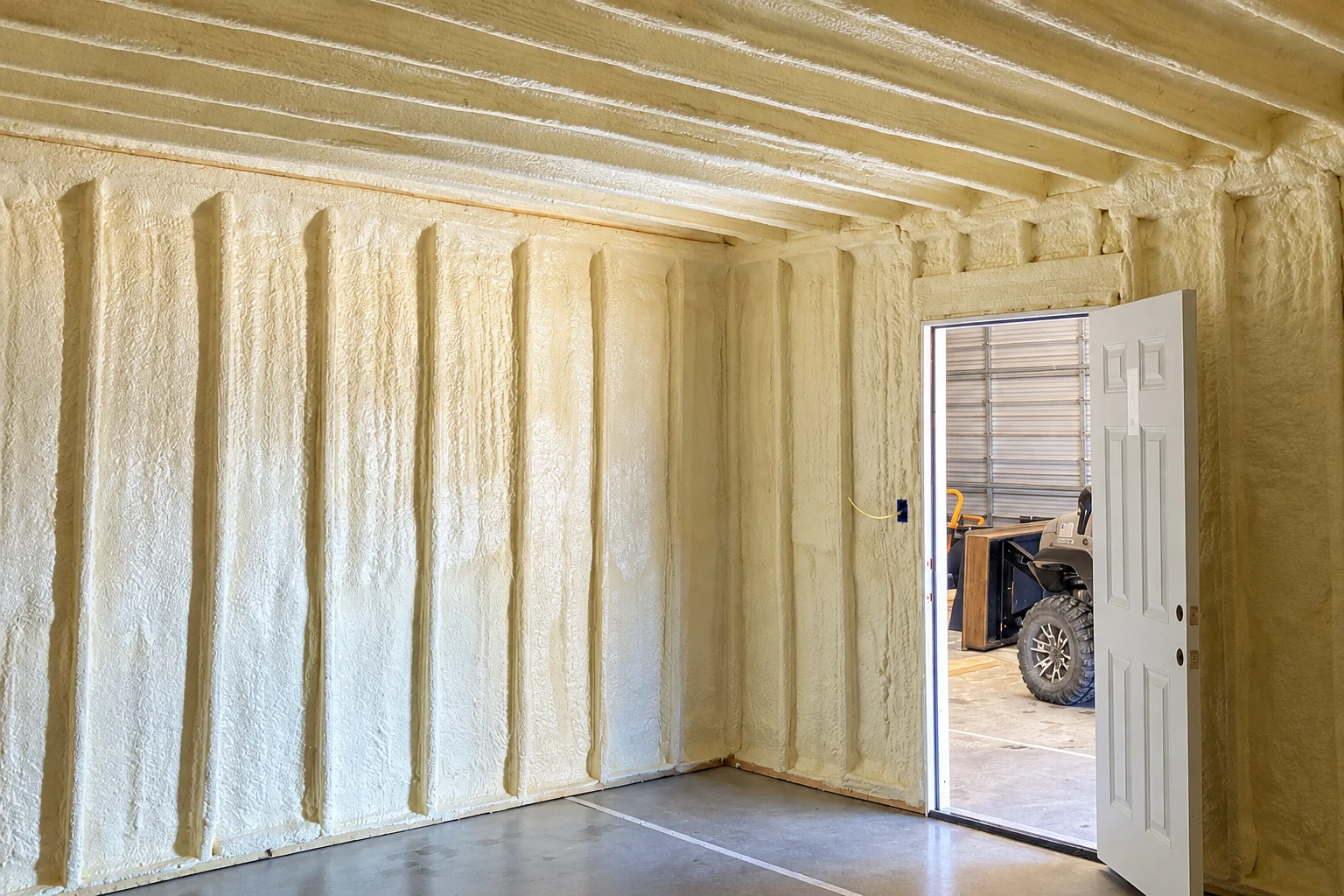
Closed-cell spray foam coats the walls and ceiling of a garage as an insulated worker applies foam with a spray gun.

Does my old attic insulation need to come out?

Insulation removal in French Valley takes old insulation out of your attic before new insulation goes in, and clearing it out shows you what's been going on underneath, from a leak stain on the wood to an open gap around a pipe.

Most people call because an upstairs room runs hot, the power bill keeps climbing or they've found droppings near the hatch. Whether the old layer comes out depends on what shape it's in, because a clean, dry layer can usually take new insulation right on top, while insulation that's been soaked, grown mold, been through a fire or been fouled by pests should come out first. That one check decides whether you pay for removal at all.

The price mostly follows how much material has to come out and how hard the attic is to reach, so a low, tight attic over the garage costs more than an open one you can stand up in. The schedule turns on the same things, plus anything that has to happen first, like a roof repair, since there's no point insulating under a leak. Once I've looked, the written estimate spells out what I found, what I'd take out and what can stay.

What happens when you call about insulation removal in French Valley?

You deal with me from the first look in your attic to the last bag out the door. Here's how that goes.

I look at the attic myself

I come out for the estimate myself, get up into the attic and check for anything that should be fixed or tested before we touch it. We've been in business since 2020, six years of attics and crawl spaces, and I'd rather find the real problem than guess at it.

An estimate that explains what I found

You get the estimate in writing, with what I saw up there, what I'd remove, what can stay and what should come first. If the attic needs a roofer or an asbestos contractor before us, the estimate says so plainly.

Fully licensed and insured, with me on site

We're fully licensed and insured, and I'm on site leading our crew the day the work gets done. When we're finished, we clean up and I walk you through the attic so you can see what changed.

How we handle insulation removal

I start by looking over the whole attic, because the ruined spots aren't always where you'd guess, and a clean, dry section can often stay where it is and save you the cost of hauling it out. If anything up there looks like vermiculite, we stop right there and point you to an accredited asbestos contractor, since that work isn't ours. Otherwise our crew bags out the damaged material, checks the framing that was hidden under it and seals the gaps around lights, pipes and the hatch while they're easy to reach, so the new insulation isn't fighting a draft.

The same thinking applies under the house and inside the walls. When the batts under your floor have dropped, soaked up moisture or turned into a nest, we pull them and replace them with crawl space insulation, and when a wall is open for a repair, we can fill it with wall insulation before it's closed back up.

  • A full look at the attic before anything comes out
  • Removal of damaged insulation, with clean, dry sections left in place when they can stay
  • A stop and a referral if the old material looks like vermiculite
  • Sealing around lights, pipes and the hatch once they're exposed
  • Cleanup of the attic and the path we used through your house

From the hatch to a clean attic

Removal is dusty work, so a lot of the job is keeping that dust where it belongs. This is the order we work in.

  1. Protect the path

    We cover the floors and furniture between the door and the attic hatch before anyone climbs up, because old insulation sheds on everything it passes. If the hatch is in a closet, we clear that space first.

  2. Bag out the damaged layer

    Our crew takes out the damaged material section by section and bags it up in the attic, so it isn't carried loose through your house. The clean, dry sections we marked at the estimate stay put.

  3. Check and seal what's exposed

    With the old layer out, we look at the framing for stains or soft wood and seal the open gaps we can now reach. Anything that needs a roofer or another trade gets pointed out to you before new insulation covers it.

  4. Insulate evenly and clean up

    When new insulation is part of the job, we keep it full depth at the edges as well as the middle and keep the eave vents clear so the attic can still breathe. Then we pull the coverings and clean up the path we used.

Find out what has to come out of your attic

Send the form with a rough size of your attic and anything you've noticed, like a past leak, mold, smoke damage or droppings. We reply within one business day to set a time, and I come out for a free on-site estimate, look over the attic and put what I'd do in writing. There's no obligation to book.

(951) 417-1035

Questions about removing old insulation

How much does it cost to remove old attic insulation?

Removing old attic insulation usually costs about $1,600 to $3,600 per job across the US, which is a typical range for the work, not our price. Insulation with asbestos in it costs far more per square foot to take out than ordinary insulation. Your own figure comes from the written estimate once I've seen the attic.

How do I know if my attic has vermiculite insulation?

Vermiculite is a loose, pebble-like fill that was poured in and is usually gray-brown or silver-gold, and if you see it, the EPA advises leaving it alone and hiring a professional asbestos contractor for any work that would disturb it. The EPA also says removal may not be needed if it's sealed off so it stays undisturbed. If it does have to come out, the EPA says to use a trained, accredited asbestos abatement contractor that's separate from the company that assessed it, so plan on two firms.

How long does it take to remove insulation from an attic?

Removal takes anywhere from about 4 hours to 2 days or more, depending on how big the attic is and how complicated the job is. Tight access, a lot of damaged material or repairs found once the old layer is out all push it toward the long end. I'll tell you what to expect for your attic when I write the estimate.

Permits and asbestos rules around French Valley

We're based in French Valley and work across the cities around it in southwest Riverside County. Some of those cities run their own building offices, and the rest are covered by the Riverside County Department of Building and Safety, which handles plan review, permits and inspections, so I check which office covers your address. When a permit is part of the job, we handle it with that office, and if it's unclear, we ask them before work starts.

If your attic turns up asbestos, the crew you hire for it has to meet state rules. In California, asbestos work on 100 square feet or more of asbestos-containing material takes a contractor with the state's asbestos abatement license classification, or one whose license qualifier has passed the asbestos certification exam. The state also registers asbestos contractors doing work on 100 square feet or more of material with more than 0.1% asbestos, so ask that crew for its registration along with its license.

Have the old layer checked first

If you've had a roof leak, a fire or rats in the attic, call (951) 417-1035 or send the form so I can see the damage before anyone adds insulation over it.

If you're not sure what's up in your attic, call (951) 417-1035 and I'll come take a look.

Tell us about your project
(951) 417-1035Get an estimate