
I look in the attic before I quote
We've done this work since 2020, and I still come out for every estimate myself. I check for vents, damp roof wood, droppings or anything else that should be fixed or tested first, then put what I'd do in writing.
Hot upstairs rooms and a power bill that climbs every summer usually trace back to air slipping through the attic. Foam closes those gaps.
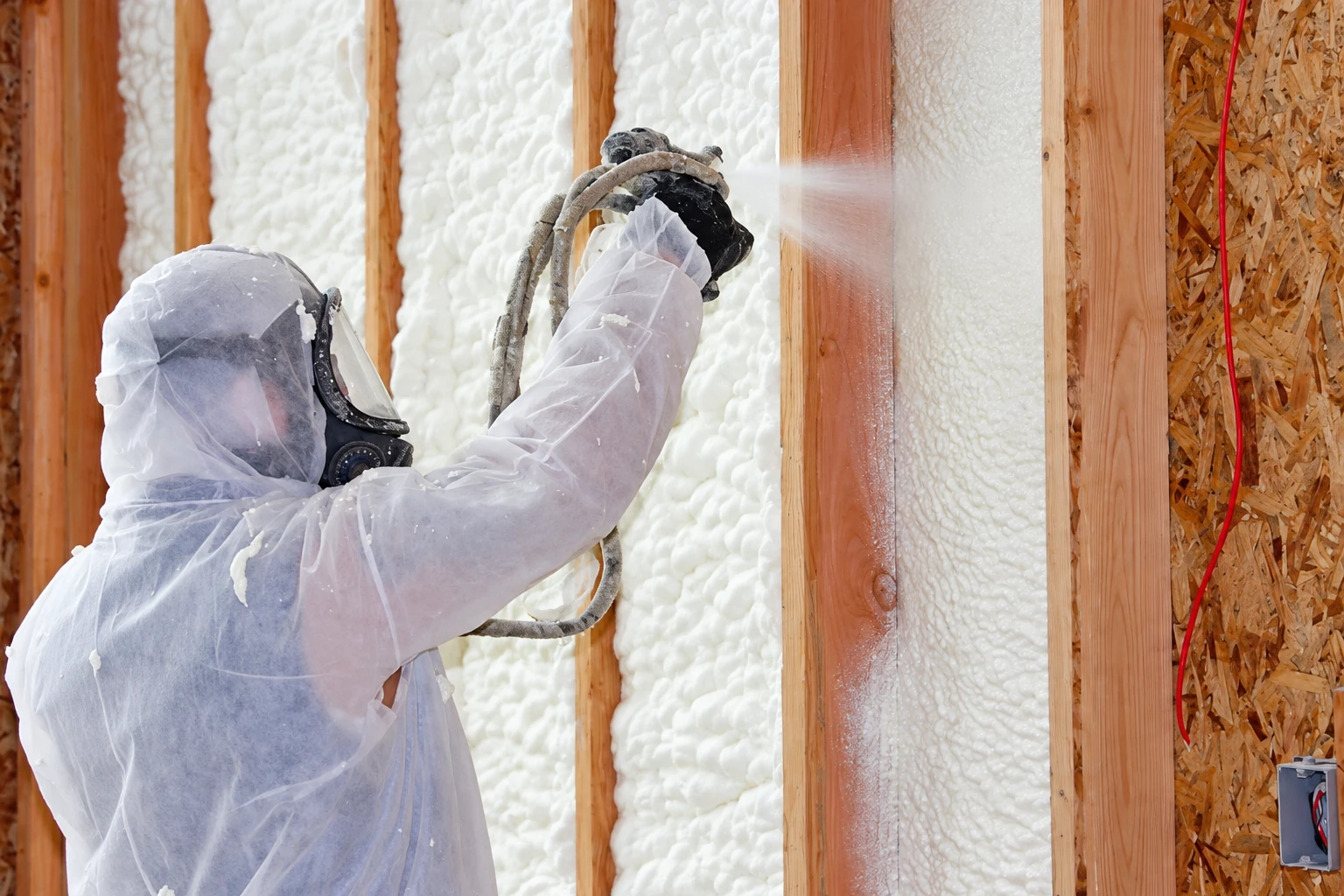
Open-cell foam insulation is a soft spray foam we install in attics in French Valley and the cities around it in southwest Riverside County. It insulates and stops air from slipping through, so the upstairs bedrooms and the room over the garage stay closer to the temperature you set.
At the thickness it's usually sprayed, open-cell foam counts as air-impermeable, so air can't get through it. It costs more than sealing the gaps and topping up blown-in insulation, which is loose fill blown through a hose, and if that cheaper fix will do the job in your attic, I'll tell you. Foam earns its price when your ductwork runs through the attic, because sealing that space keeps those ducts out of the heat.
The price mostly comes down to how many square feet we're covering, how thick the foam goes, whether old insulation has to come out first and how hard the attic is to move around in. The schedule turns on whether the roof wood is dry and on planning your family's time out of the house while the foam cures. My written estimate lays out what I'd do and what it covers.
You call or send the form, and the person who comes out to look is me, not a salesperson. Here's how it goes from there.
We've done this work since 2020, and I still come out for every estimate myself. I check for vents, damp roof wood, droppings or anything else that should be fixed or tested first, then put what I'd do in writing.
The state's Contractors State License Board counts anyone who installs insulation for temperature or sound control as an insulation contractor. We're fully licensed and insured.
I don't hand your job off to a crew and drive away. Our crew does the work with me there leading it, and I'm the one who walks you through the finished attic.
I start by checking whether your attic has vents or is sealed, because that changes where the foam can go. If we're spraying at the roof, I make sure the roof wood is dry first, since foam over damp wood keeps that moisture against it, and federal research on foam under roof sheathing lists the wood below 18% moisture before spraying. Wet or dirty insulation comes out before anything goes in, then we cover the heating and cooling vents so the rest of the house stays clean, spray, trim and clean up.
Open-cell foam blocks air but lets water vapor pass through, so it isn't the answer when moisture is the problem. For a damp space under the house we'd talk about a crawl space vapor barrier or closed-cell foam, a denser foam that blocks moisture. Property managers and business owners can ask us about commercial insulation for offices and shops.
Spraying is the quick part. Most of the care goes into getting the house ready and deciding when you come home.
We pick a day that works for you and plan where the kids and pets will be, because you'll be out of the house while we spray. The questions below cover how long that usually runs.
We lay down protection from the door to the attic hatch and move anything stored up there, so the only work area is the attic itself. Ask us to leave anything you'd rather keep handy on the main floor.
We spray in passes so the foam goes on even, with the edges as full as the middle. Thin edges and a thick middle is the most common mistake we find in other people's work.
Once the foam has cured, we ventilate and clean up so the house is ready when you get back. Satisfaction guaranteed on every job.
Send the form or call (951) 417-1035, and have your attic type, vented or sealed, and the area you want insulated handy if you know them. We reply within 1 business day to set a time, then I come out for a free estimate at your property and put what I'd do in writing. There's no pressure to book.
(951) 417-1035Open-cell spray foam in the Riverside area usually costs about $0.60 to $1 per board foot, which is one square foot of foam an inch thick. Your total depends on the area we cover and how thick it goes, and my estimate spells out both.
Yes, EPA guidance says everyone should be out while the foam is sprayed and should come back once it has cured and the house has been aired out and cleaned. Some foam makers recommend 24 hours before residents return, though it can vary, so plan a night away for the kids and pets.
In a vented attic, California's Energy Code puts the required insulation at the ceiling, which is the attic floor over your rooms. In a sealed attic with no vents, it can go at the ceiling or up at the roof, so we sort out which kind you have before anything else.
Use the state licensing board's contractor lookup, which shows a licensed contractor's information and any disclosed complaints. It's worth a few minutes before you let anyone into your attic, us included.
When we add foam to an existing attic in a French Valley home, the state counts the old insulation and the new together, and that total has to meet its single-family requirements. That's why I measure how many inches are already up there before I say what to add. The contractor who installs it has to certify to you in writing that it meets those requirements.
Spray foam of either kind is combustible, and the state requires every insulating material to meet its building code limits on flame spread and smoke. Around French Valley, Murrieta and Menifee, a lot of our calls are two-story homes with a hot room over the garage and ducts running through the attic, and we do the same work across the cities nearby.
Call (951) 417-1035 any day of the week, from early morning until 11 at night, and ask your questions before anyone climbs into your attic.
If you're still weighing foam against loose fill, call or send the form and I'll talk it through with you.
Tell us about your project