
Mon–Fri: 6 AM–11 PM, Sat–Sun: 7 AM–11 PM(951) 417-1035
L&T French Valley Spray Foam InsulationL&T French Valley Spray Foam Insulation

Home insulation in French Valley CA - a house that's comfortable upstairs and down

Hot upstairs, cold floors or a power bill that keeps climbing? We check the attic, floors and crawl space, then insulate in the right order.

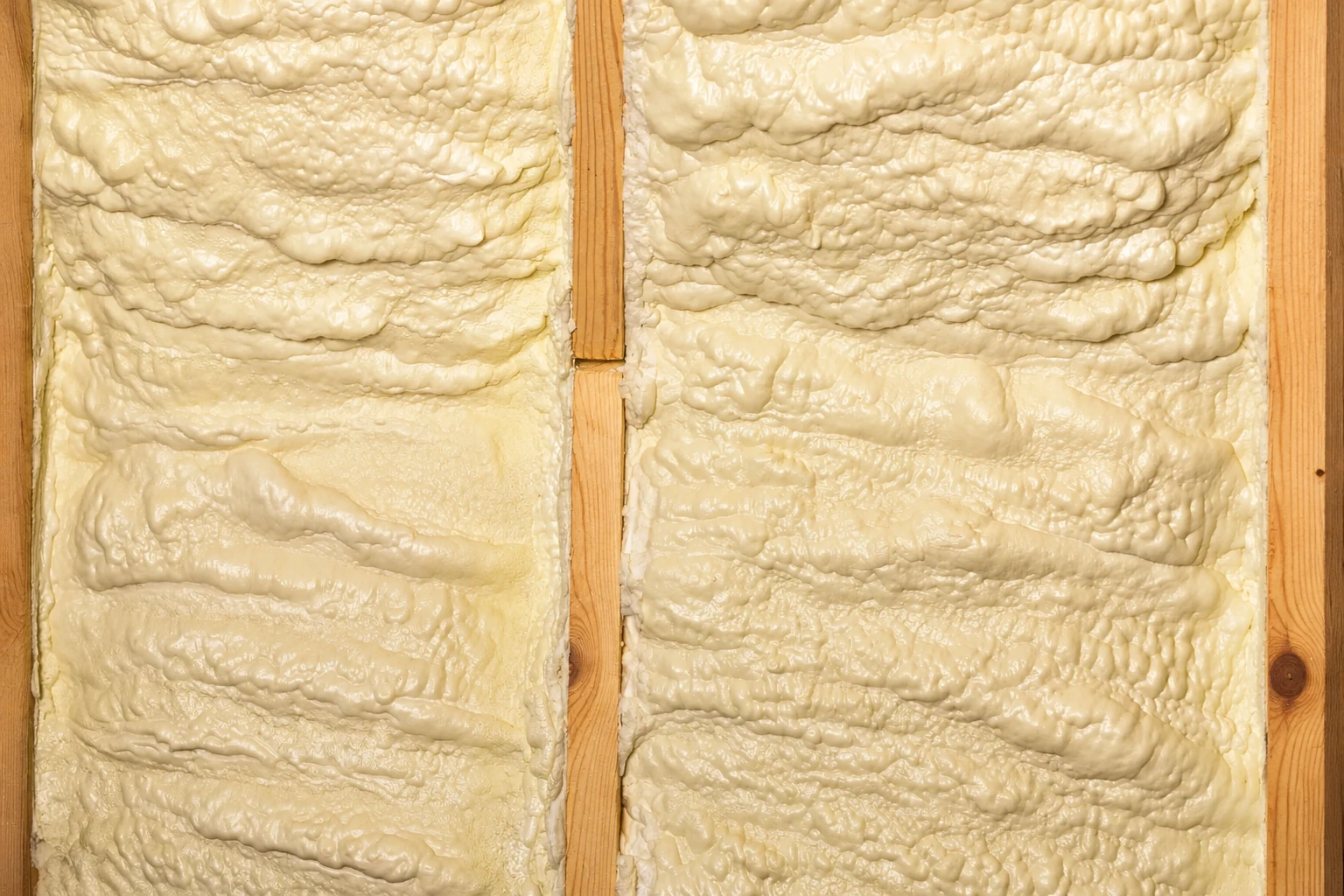
Thick cream-colored spray foam fills the spaces between exposed wooden wall studs.

What does insulating a whole house in French Valley take?

Home insulation in French Valley means adding insulation to your attic, floors and crawl space and sealing the air leaks around them, so the room over the garage stops running hot and the floors stop feeling cold.

Most calls start with one room that never feels right or a power bill that keeps going up. The cause usually sits overhead or under the floor, in thin or packed-down insulation and gaps that let air slip through. National figures put the average savings from insulating and air sealing together at up to 15% on heating and cooling, but that's an average across a lot of homes, not a promise for yours.

The price moves with the size of the house, how many inches are already up there, whether old material has to come out and how much sealing the attic needs. The schedule turns on whether anything has to be fixed or tested first and whether a permit is part of the job, which I check with the office that covers your address. Your estimate puts your number and the order of the work in writing.

What happens after you call us about home insulation?

From the first visit to the last walk-through, you're dealing with me, and here's how it goes.

I look over the house myself

When you call or send the form, I'm the one who comes out to look at the attic, floors and crawl space, and I check for anything that has to be fixed or tested before insulation goes in. I've been doing this work since 2020, and it started with neighbors right here in French Valley.

A written estimate in plain words

I explain what I found while we're standing there, then put what I'd do, and in what order, in writing. If a roof leak or something else should come first, I'll tell you that before I'd sell you insulation.

I lead the crew on your job

Our crew does the work with me on site, we clean up before we leave, and I walk you through the finished job. We're fully licensed and insured.

How we do home insulation, start to finish

For a whole-house job I look at the attic, floors and crawl space together and lay out one plan for all of it, because fixing the attic while cold air comes up through the floors only solves half of what you're feeling. The order matters as much as the material, so repairs come first, then air sealing, which means closing the gaps air leaks through, then insulation spread evenly from the middle out to the edges. Foam costs more and seals while it insulates, but sealing the gaps and topping up with blown-in insulation, loose fill sent up through a hose, usually gets you more for the money, so I only steer you toward foam when your ductwork runs through the attic.

Sometimes the old material has to go first, and when it's soaked or full of droppings, insulation removal keeps the problem from getting buried under the new layer. Cold floors usually trace back to what's under the house, so crawl space insulation is often part of the same plan.

  • One plan covering the attic, floors and crawl space
  • Repairs and testing handled before any new insulation
  • Gaps sealed around lights, pipes and the attic hatch
  • Baffles at the eaves so the attic keeps breathing
  • Even depth across the whole ceiling, edges included

What we do in your attic and under your house

Every job follows the same order, because each step protects the one after it.

  1. Check what's already up there

    Wet insulation, moldy or rotted framing, poor ventilation and vents blowing damp air into the attic get fixed before new material goes in, along with old knob and tube wiring from before 1930, since it can be a fire hazard where it touches insulation. If I find vermiculite, a light, pea-size, flaky gray fill, it stays untouched until an approved lab tests it and finds no asbestos.

  2. Seal the gaps

    We close the openings around pipes, wires and the hatch, and keep insulation at least 3 inches back from can lights unless they're rated IC, for insulated ceiling. If you have gas appliances, it's worth having them tested for proper drafting before and after sealing, because in some cases a tighter house can pull fumes back inside.

  3. Keep the eaves open

    Baffles go in at the eaves so insulation can't spill into them or cover the soffit vents. That keeps the attic breathing and keeps moisture out of the framing.

  4. Insulate evenly, attic to floors

    We spread the attic insulation to an even depth across the whole ceiling, out to the edges where it usually runs thin. Then we insulate the floors and crawl space the plan calls for.

Get a written insulation plan for your whole house

Send the form or call (951) 417-1035, and we'll get back to you within one business day. I'll come out for a free estimate at your property, look over the attic, floors and crawl space, and put what I'd do in writing, with no pressure to book.

(951) 417-1035

Questions French Valley homeowners ask about insulation

How much does attic insulation cost near Riverside?

Attic insulation in the Riverside area usually costs about $1,500 to $5,000 per job. That's the going range for attic work, not a price for your house, and it moves with the size of the attic, how much is up there now and whether old material comes out first. I'll put your number in writing after I've seen the space.

Should air leaks be sealed before adding insulation to my attic?

Yes, national guidance says to air seal the attic before adding insulation, and the two steps can be planned as one job. Insulation slows heat but doesn't stop moving air, so a gap left open underneath keeps pushing air through the new layer. We seal first and then insulate.

Is cellulose or fiberglass better for my attic in French Valley?

Neither one wins in every attic. Blown cellulose insulates more per inch, flows better around pipes and framing and does some air sealing on its own, while blown fiberglass settles less. If you're torn, I'll explain how each one would behave in your attic once I've been up there.

What license should an insulation contractor hold in California?

In California, insulation work falls under the C-2 Insulation and Acoustical Contractor class, which covers installing insulation for heat or sound control. Ask any contractor you're considering which license class they hold before you sign anything.

Permits for insulation work in Riverside County

Riverside County Building & Safety issues permits for re-roofing, alterations and electrical, mechanical and structural repairs, and its list doesn't name insulation, so it's worth asking before work starts. Some of the cities we work in run their own building offices and others fall under the county, so I check which one covers your address. When a permit is part of the job, we handle it with that office, and if it's unclear, we ask them before we start. If you'd like to ask yourself, the county's building office takes calls at (951) 955-1800.

If your insulation job comes with a re-roof or a new HVAC unit, the county treats those permits as ones a licensed contractor signs off. California's energy code also has rules for insulation added to existing attics or existing ducts. We're based in French Valley and work across the cities around it in southwest Riverside County, including Murrieta, Menifee and Temecula, in everything from newer tract homes to older houses with an attic nobody's checked in years.

Book a look at your attic

When you call (951) 417-1035, tell me about attic access, any damp spots, your ceiling lights and any gas appliances, so I can plan the visit around what needs checking.

If a room in your house never feels right, call or send the form and I'll come take a look.

Tell us about your project
(951) 417-1035Get an estimate